


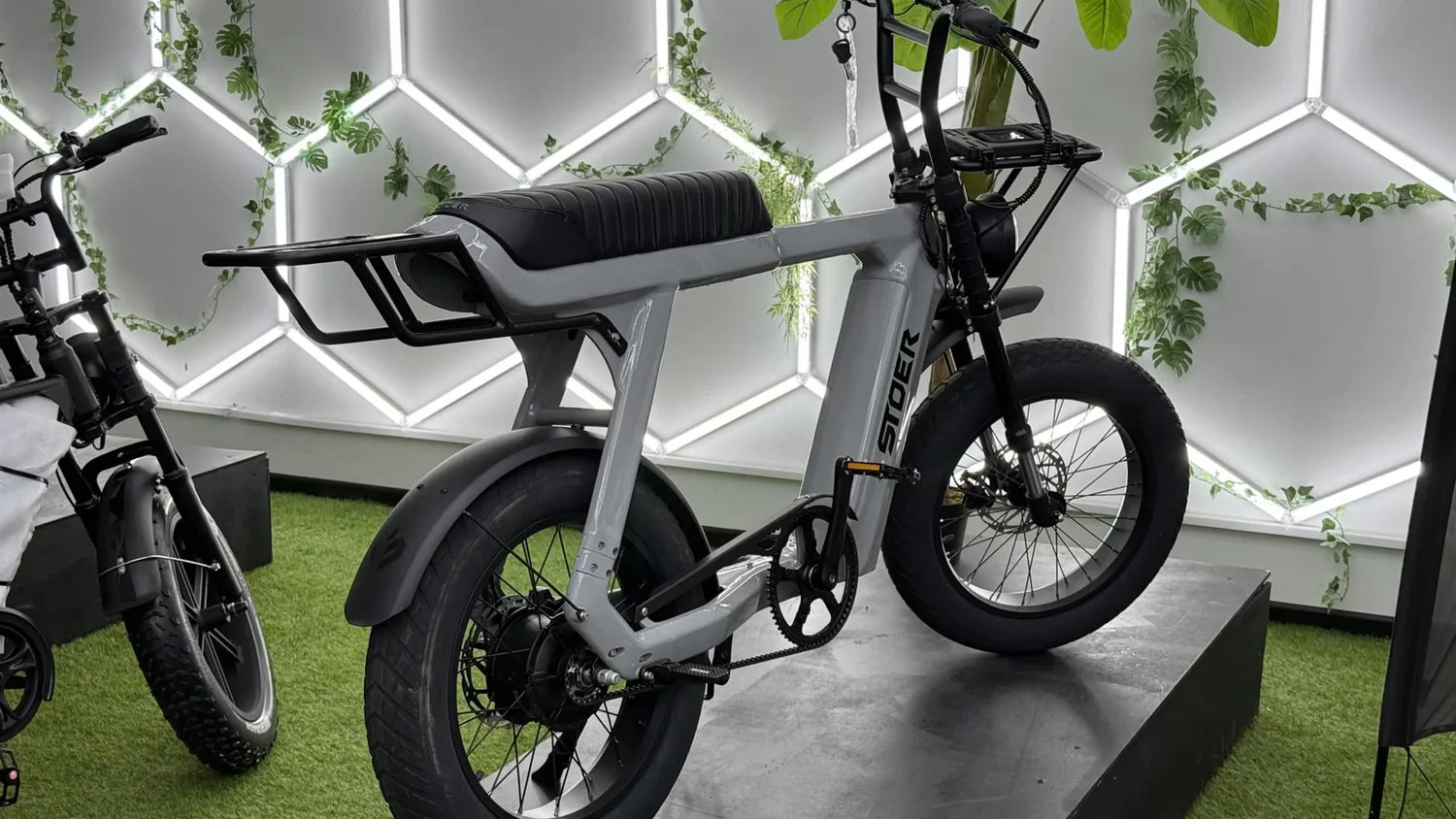
A pedelec is a bike with electric pedal assistance that only works as long as you pedal yourself. Once you reach 25 km/h or stop pedaling, the motor cuts out. Many people simply call such a bike an e-bike, but technically and legally, a pedelec is something specific.
Your fatbike is almost always a pedelec too. Good to know, because that determines whether you need a driver’s license or insurance. If you want to see which models we have right away, check out our fatbike collection. Below you’ll read exactly what a pedelec is, how it differs from an e-bike or speed pedelec, and why a fatbike usually falls under it.
How do you recognize a pedelec?
Pedelec stands for pedal electric cycle. The motor assists you while pedaling and does nothing on its own. The same limits apply throughout the EU: assistance up to 25 km/h and a motor of maximum 250 watts. If you go faster, you pedal on your own power. A start-up assist that pushes you up to 6 km/h without pedaling is allowed.
Because it stays within those limits, a pedelec counts as a regular bike. You don’t need a driver’s license, registration, or insurance, and there is no helmet requirement. You simply ride on the bike path, just like a bike without a motor.
The riding experience stays close to regular cycling, but it requires less effort. Headwinds and long commutes become much easier. There is a downside too: the motor and battery make the bike heavier, and without assistance, you feel that weight. For most people, the convenience outweighs that extra kilogram.
Pedelec, e-bike, or speed pedelec?
In common language, everything with a motor is called an e-bike. Strictly speaking, that's not correct. A real e-bike can also operate without pedaling, using a throttle or button. Such a bike often falls into a heavier category with its own rules. Most bikes sold as e-bikes are actually pedelecs.
Then there is the speed pedelec. It provides assistance up to 45 km/h. This means it’s no longer a regular bike but a moped. You need a license plate, insurance, and a driver's license, a helmet is mandatory, and you are not allowed everywhere on the bike path. You can read more about this in what is a speed pedelec. It's useful to check before you buy, as the difference can sometimes be in a small detail.
To know where your bike falls, look at two things: does the assistance stop at 25 km/h and do you have to pedal yourself? If the answer is yes to both, it's a pedelec and bike rules apply. If it has a throttle that keeps going without pedaling, or goes faster, be careful. You can read more about speed rules in how fast an e-bike can go.
Is a fatbike a pedelec?
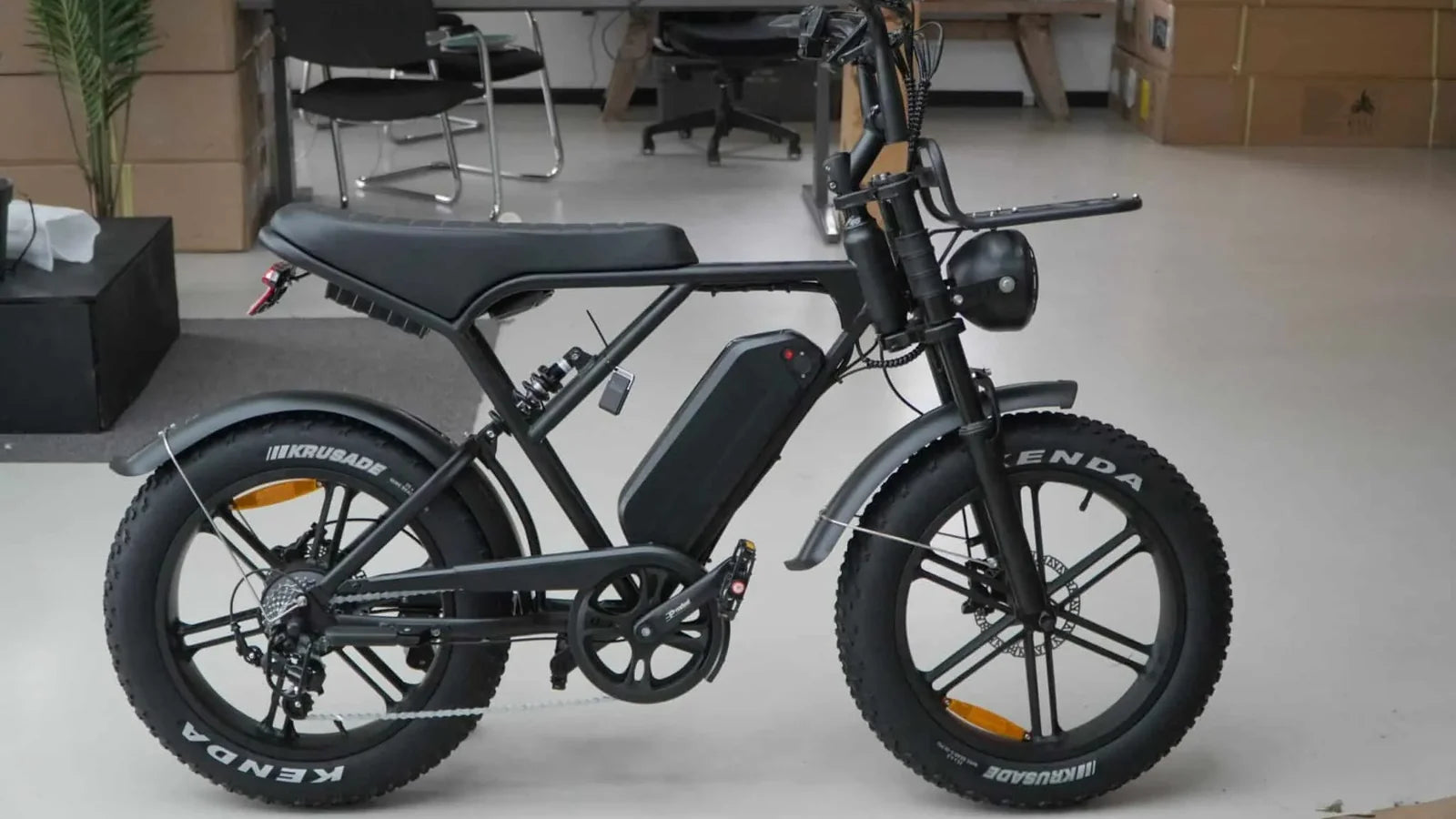
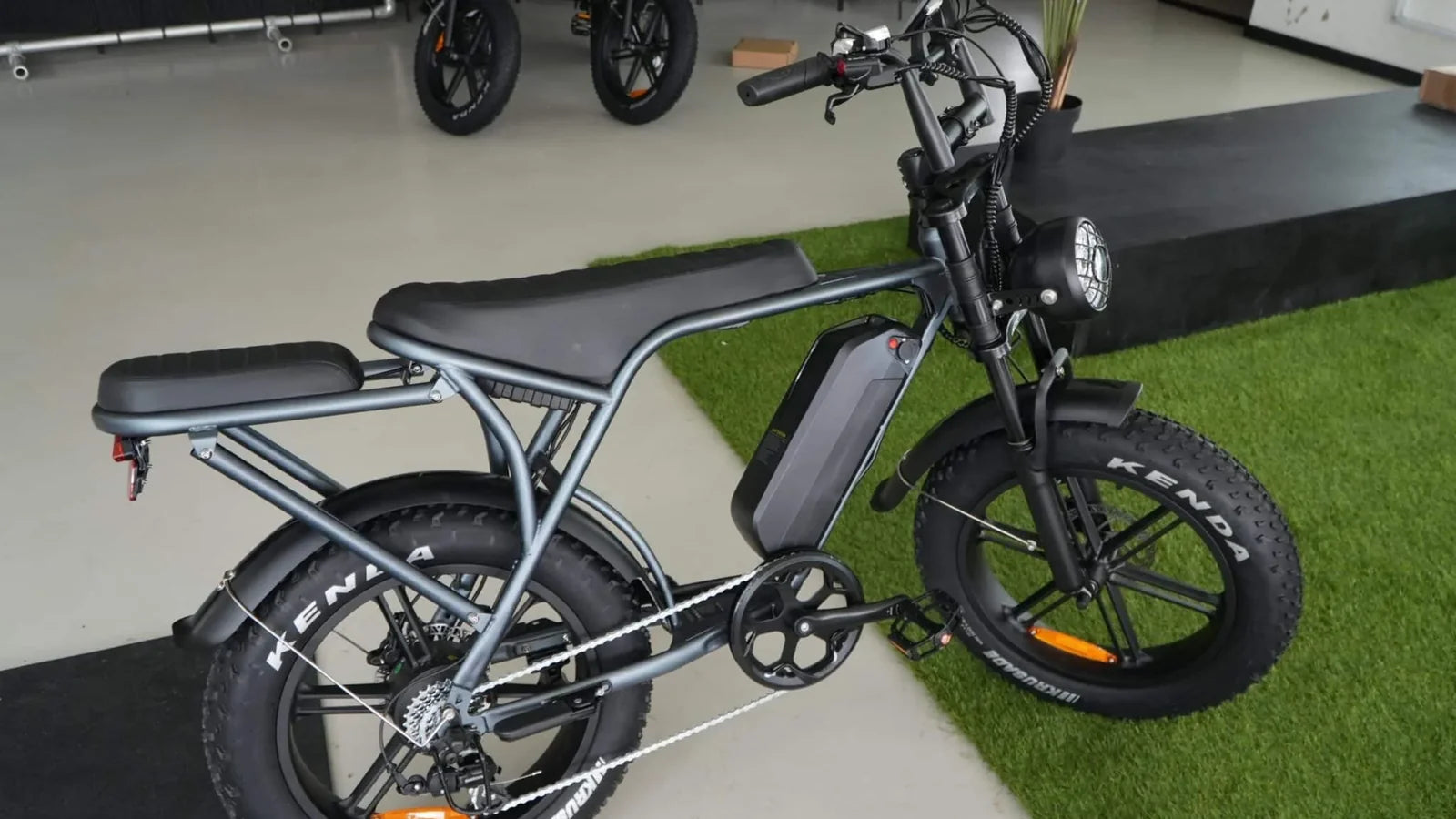
Almost every fatbike we sell is a pedelec. A 250-watt motor, assistance up to 25 km/h, and you pedal yourself. The same rules apply to a fatbike as to any other pedelec: ride on the bike path, no license or insurance needed.
The difference with a regular pedelec is in the tires. Fatbike tires are much wider, providing more grip and a more stable ride. You can read more about this in our explanation of what a fatbike is. If you're looking for something narrower and sportier, check out the skinnybikes.
If you're still unsure which model suits you, start with the fatbike collection and pay attention to the motor and assistance. As long as they fall within pedelec limits, you know you can hit the road without paperwork.
Read more: What is a fatbike? · What is a speed pedelec? · How fast can an e-bike go? · Insure your Fatbike · E-bike range
View directly: fatbike collection · skinnybikes · e-bikes

Leave a comment
This site is protected by hCaptcha and the hCaptcha Privacy Policy and Terms of Service apply.